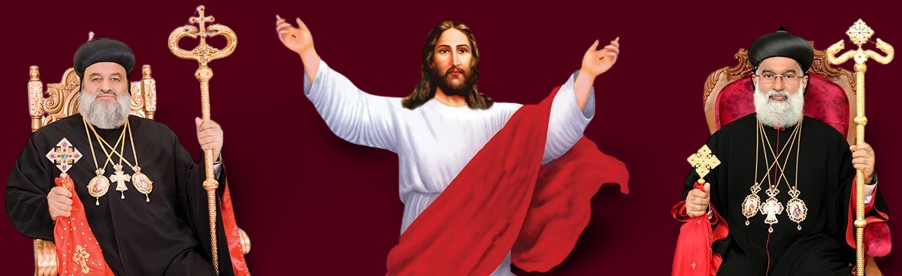
The Jacobite Syrian Christian Church
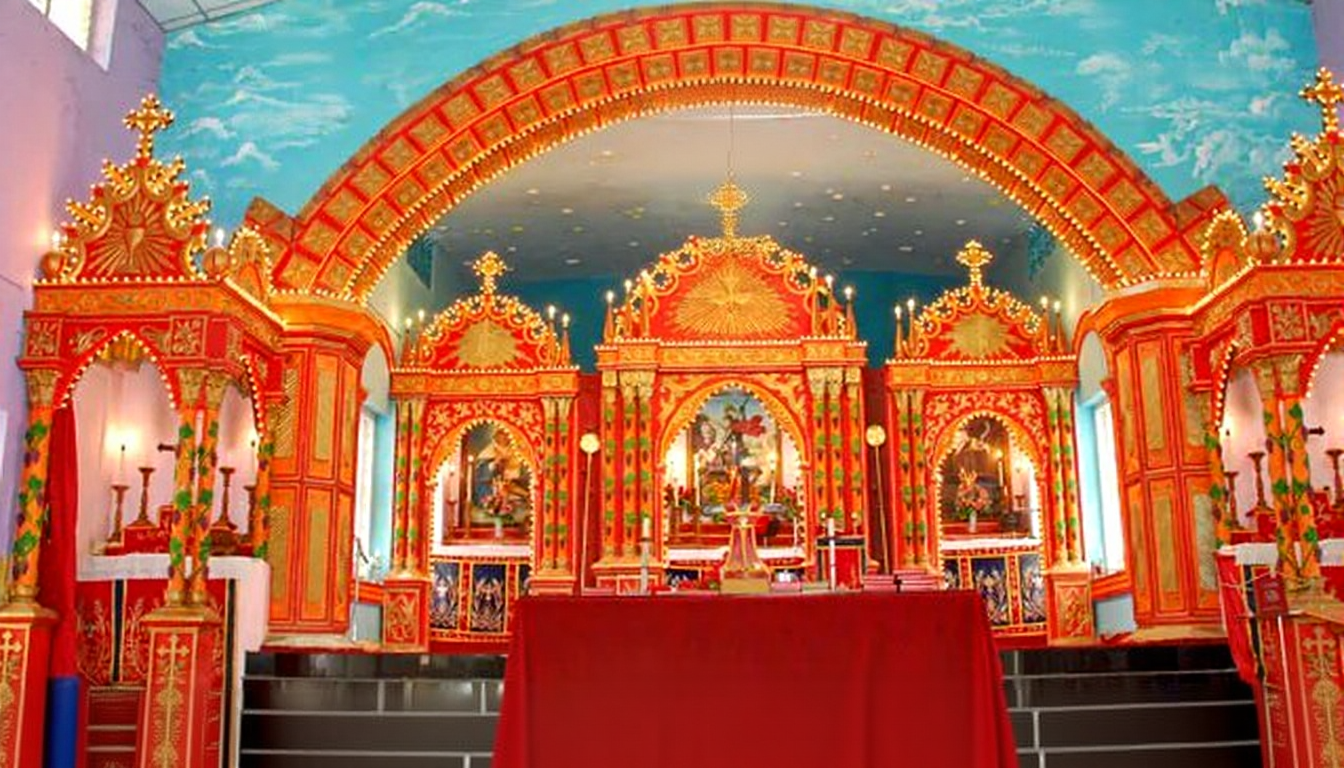
The Jacobite Syrian Christian Church, formally known as the Syriac Orthodox Church of Antioch, is an autocephalous Oriental Orthodox Church with its historical and spiritual roots in the Middle East and a global diaspora of adherents. It constitutes one of the five ancient patriarchates that originally comprised the One Holy Catholic and Apostolic Church prior to the Great Schism.
As a principal inheritor of Syriac Christianity, the Church preserves Classical Syriac, a dialect of Aramaic, as its liturgical and official language. The ecclesiastical head of the Church is the Syriac Patriarch of Antioch, who presides over its global communion.
The Church has historically been referred to by the terms "Jacobite" and "Monophysite"; however, both designations are regarded as inaccurate and are generally rejected within contemporary ecclesiastical and academic discourse. In 2000, the Holy Synod formally resolved that the official English designation of the Church should be "Syriac Orthodox Church", replacing the former title "Syrian Orthodox Church" in order to distinguish the ecclesiastical identity of the Church from the modern nation-state of Syria.
In Syriac, the Church's canonical name, 'ʿIdtō Suryōytō Triṣuth Šuḇḥō' ("the Holy Syriac Orthodox Church of Antioch"), has remained unchanged, as have its corresponding designations in other languages.
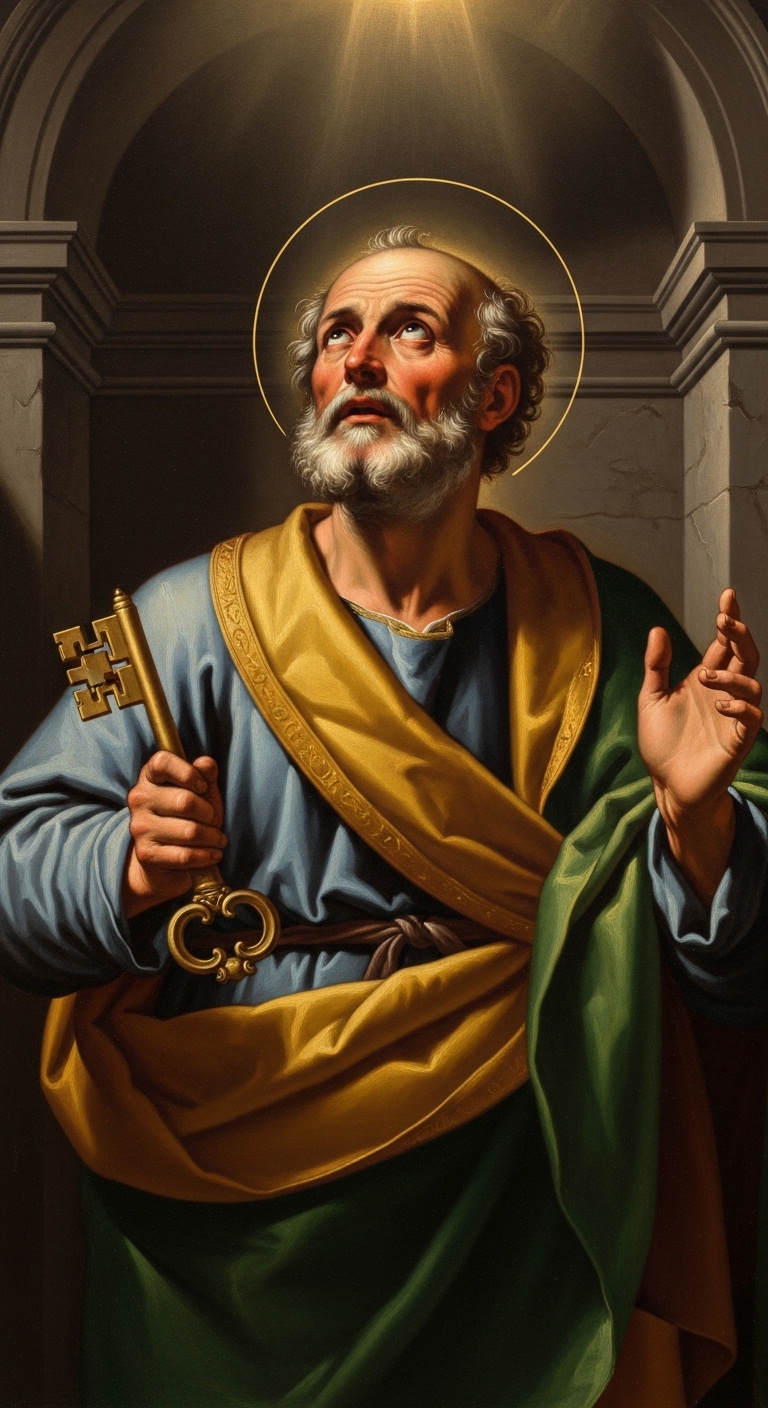
The Syriac Orthodox Church is held to be the first church of Christianity established by the Apostle St. Peter.
The Syriac Orthodox Church is traditionally regarded as the first established church in Christianity, founded by the Apostle Saint Peter. The origins of the Syrian Orthodox Church of Antioch date back to the early Apostolic era, as attested in the Acts of the Apostles (Acts 11:26). According to ecclesiastical tradition, the Apostle Peter founded his episcopal see at Antioch in 37 A.D., thereby becoming its first Patriarch and the foundational leader of the Church.
The historical development and nomenclature of the Church are deeply interwoven with the heritage of the Arameans, or Syrians, who inhabited the ancient region of Aram (Syria), where Antioch was situated. The Aramaic language, the vernacular of the Arameans, became the predominant tongue of this region. In the centuries immediately preceding and following the advent of Christianity, Aramaic underwent significant linguistic evolution, giving rise to Syriac, a refined and literary dialect that became the sacred and cultural language of the Syriac-speaking Christian community.
The present Patriarch of the Syriac Orthodox Church, His Holiness Moran Mor Ignatius Aphrem II, resides in Damascus, the capital of Syria. Under his leadership, the Church comprises approximately twenty-six archdioceses and eleven Patriarchal Vicariates worldwide, reflecting its extensive global presence.
The Malankara Jacobite Syriac Orthodox Church in India forms an integral part of the universal Syriac Orthodox communion, recognizing the Patriarch of Antioch as its supreme ecclesiastical authority. The Catholicos of India, currently His Beatitude Baselios Thomas I, serves as the local head of the Church in Malankara. He exercises his ministry under the spiritual authority and canonical jurisdiction of the Patriarch of Antioch, thereby maintaining the unity of faith and apostolic succession within the Syriac Orthodox tradition.
CATHOLICATE OF THE SYRIAN ORTHODOX (JACOBITE) CHURCH OF ANTIOCH AND ALL THE EAST
In the early centuries of Christianity, believers in the Persian and Roman Empires were frequently subjected to persecution, compelling the Church to expand independently of imperial support. Following the legalization of Christianity in the Roman Empire in 315 CE, the Church in Roman territories was largely protected from such atrocities. Conversely, the Persian rulers grew increasingly hostile toward Christians within their domain, perceiving them as affiliated with the Roman (Byzantine) Empire. It was during this period of heightened tension that the office of the Great Metropolitan, later known as the Catholicate of the East, was established in Persia.
As the enmity between the empires increased; the leaders of the Church in Persia found it nearly impossible to continue ecclesiastical commune with the universal church. Meanwhile some in the Catholicate of Persia found it more convenient to adopt the Nestorian Christology which was earlier officially dejected by the universal Christian councils for its remarks on the Mother of God.
By this act, the Christians in Persia who accepted Nestorian Christology could easily win the favour of the Persian rulers while those of non-Nestorian faith suffered severe persecution. As the office of the Catholicate fell into heresy, the Orthodox faithful were wandering in wilderness. The Catholicose of Seleucia meanwhile took over the title 'Patriarch', thus trying to be equal in status with the Patriarch of Antioch.
Even though the Church in Persia had officially accepted Nestorius as a Church father, a substantial group of Christians in Mosul, Niniveh and Tigris (Tagrit) continued to keep their loyalty to the old faith. A few decades later the Orthodox wing of the Church in Persia that continued to be under the Syriac Orthodox Patriarchate of Antioch & all the East, got reorganized under St. Ya`qub Burdono and installed St. Ahudemmeh as 'The Great Metropolitan of the East', but he too experienced it difficult to discharge his ecclesiastical duties smoothly.
However by the 7th century the situation changed for better which finally led to the formation of an office of the 'Maphrianate of the East' at Tigrit (Tagrit).
In AD 629, Patriarch of Antioch and all the East elevated St. Marutha (Marooso) as the first MAPHRIYONO OF THE EAST for the rejuvenated Syrian Orthodox (Jacobite) Church in Persia. Later the centre of the Maphrianate was shifted to St.Mathew's Dayro in the city of Mosul in Iraq and continued there till the middle of 19th century.
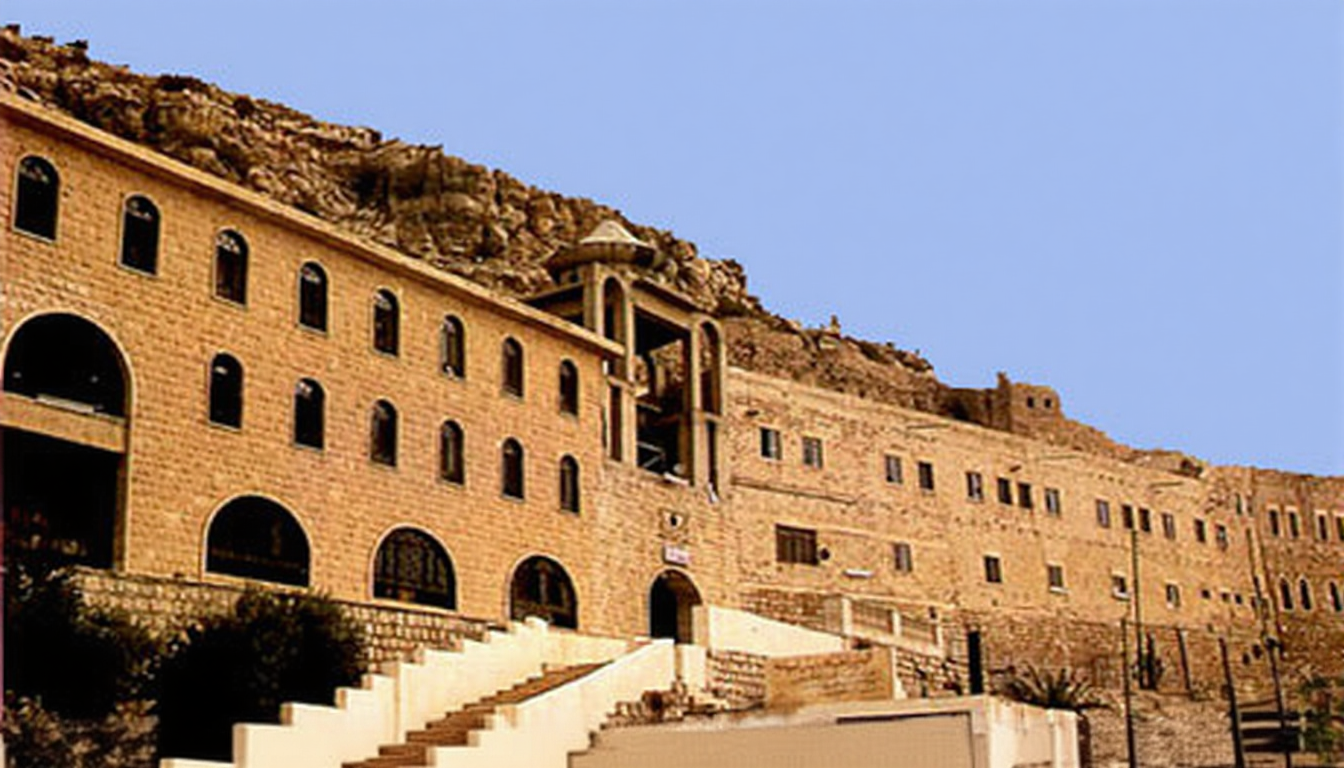
In 1860 the office of Maphrianate was abolished as per the decision of the Syrian Orthodox Church Synod held at Deyrul'alZafran Monastery (Kurkumo Dayro) under Patriarch Ignatius Ya`qub II. The same was re-established in India in 1964 by the Universal Synod held at Kottayam, presided by Patriarch Mor Ignatius Ya`qub III.
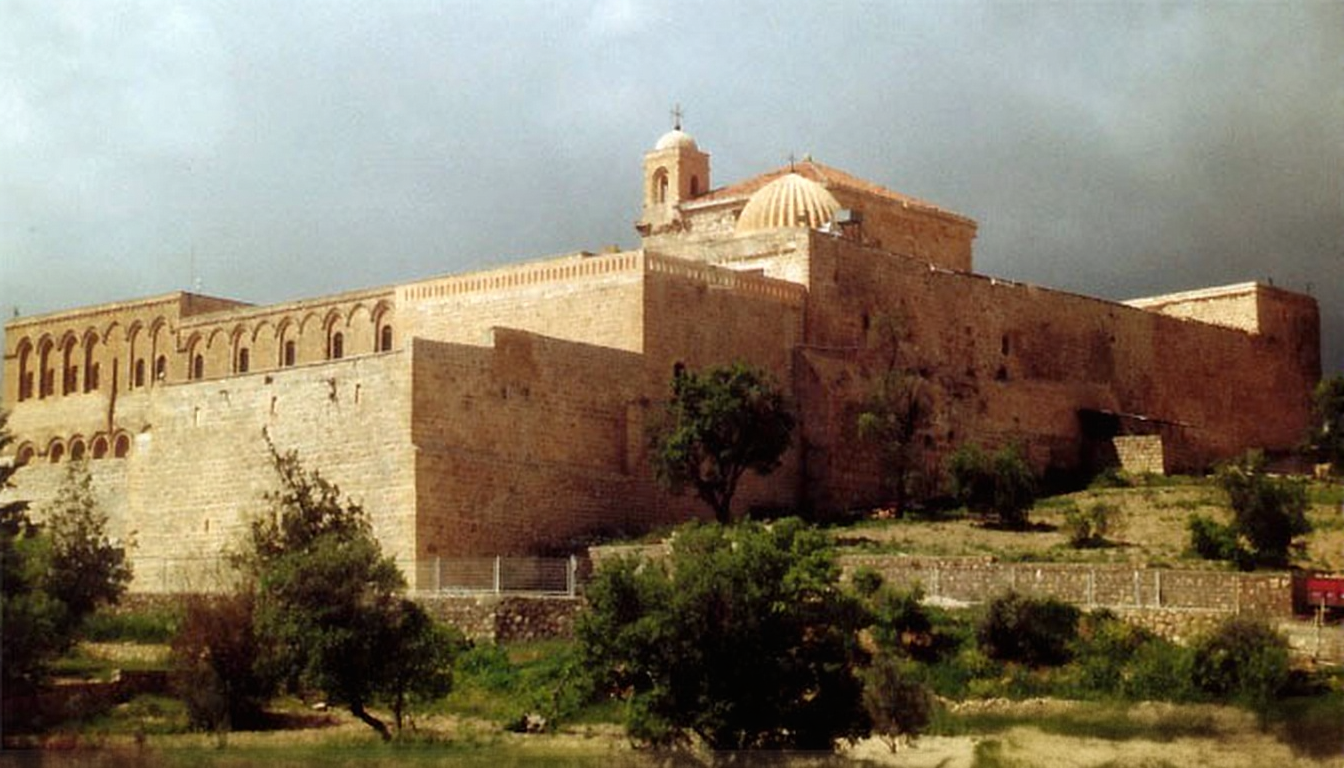
From the days of the establishment of this Maphrianate in India, the Church started to officially use the title 'Catholicos of the East', with his jurisdiction limited to India in the East. In 2002 the office of the Maphrianate was renamed as 'Catholicose of India' in accordance with its actual jurisdiction.
Present headquarters of this ancient Maphrianate/Catholicate of the Syrian Orthodox Church is at Puthencuriz, Cochin, with Catholicose Mor Baselios Joseph as the Chief of the Church in India.
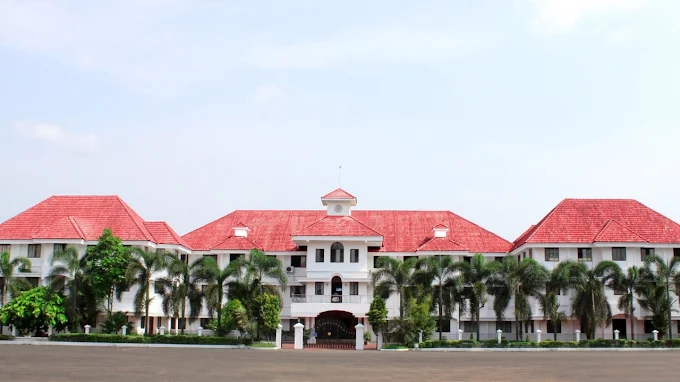
In Episcopal dignity the Catholicos rank second to the Patriarch and, as His Holiness's deputy, presides over the provincial Holy Synod. He and all the clergy of the faithful in India pledge loyalty to the Patriarch of Antioch of the Syriac Orthodox Church, the supreme authority of the Syriac Orthodox Church throughout the world. There are many instances when a Maphrian (Catholicos) was elevated to the position of the patriarch in the Syrian Orthodox Church.