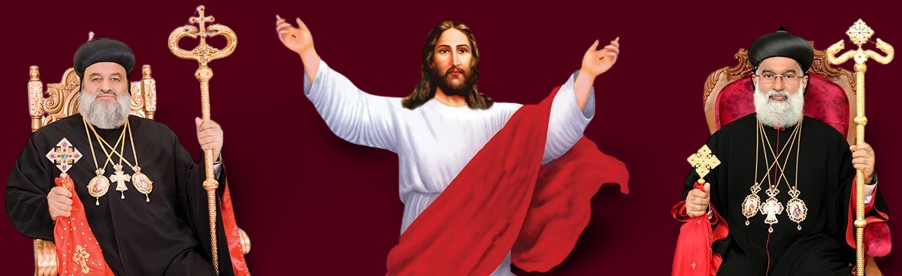
Faith and Tradition of the Jacobite Syrian Orthodox Church
The Jacobite Syrian Orthodox Church, formally known as the Syriac Orthodox Church of Antioch, is an Oriental Orthodox denomination that traces its origins to the Apostle St. Peter and the ancient Christian community of Antioch. The Church utilizes the West Syriac Rite and maintains its liturgical language in Classical Syriac, which holds historical importance as an offshoot of Aramaic, the language spoken by Christ and His disciples. It is renowned for adherence to ancient traditions and maintains a distinctive role within global Christianity.
Historical Background
The foundation of the Syriac Orthodox Church dates to AD 37, credited to the Apostle St. Peter, who established the first patriarchate at Antioch. Throughout its history, the Church has faced periods of persecution—most notably after the Council of Chalcedon (AD 451), when it rejected the Chalcedonian definition of Christology and remained separate from both Eastern Orthodox and Roman Catholic traditions. Its enduring legacy includes the spread of Christianity into Edessa, Mesopotamia, Egypt, Asia Minor, and India, with the Malankara Jacobite Syrian Christian Church serving as its prominent branch in Kerala, India.
Theological Foundations
The Syriac Orthodox Church confesses the Nicene Creed and believes in the Trinity—three persons in one Godhead: Father, Son, and Holy Spirit. The Father is Unbegotten, the Son is eternally begotten, and the Holy Spirit eternally proceeds from the Father. These persons are united, possessing one will, one word, and one lordship.
A distinctive aspect is Miaphysitism: the belief that Christ has one incarnate nature, both perfect God and perfect man, united naturally without separation, mixture, or transformation. This doctrine rejects notions of division between Christ's divine and human attributes, insisting that divinity was never separated from humanity, even during His suffering and death.
Faith in the Syriac Orthodox Church is rooted in:
- The Holy Bible (Syriac Peshitta as official text)
- The teachings of the Apostles
- Sacred tradition, encompassing unwritten practices and patristic instruction
- Validity of the Nicene Creed and only the first three Ecumenical Councils: Nicea (325), Constantinople (381), and Ephesus (431)
Tradition is seen as the spiritual teaching inherited from the apostles and church fathers. It is classified as divine, apostolic, or patriarchal—playing an essential role alongside scripture in the formation of faith and life within the Church.
Ecclesiology: Structure and Leadership
The Church sees itself as the mystical Body of Christ, with Jesus Christ as its Head. The chief bishop is the Patriarch of Antioch, who continues the apostolic succession from St. Peter. The Malankara Jacobite Syrian Christian Church in India recognizes the Patriarch as its spiritual leader and maintains hierarchical ties under the Holy See of Antioch.
Priesthood encompasses three stages:
- Deacon
- Priest
- Bishop
This apostolic succession is considered vital for the administration of the sacraments and preservation of church life.
Worship and Liturgical Practices
The Church's liturgy is celebrated primarily in Classical Syriac, retaining many ancient hymns and prayers documented in the Beth Gazo (house of treasures)—the key musical reference for the Church. Malayalam and other local languages are sometimes used in diaspora communities, but the Syriac language remains a centerpiece of identity and heritage.
The central act of worship is the Holy Qurobo (Eucharist), employing the Liturgy of Saint James. This involves readings from scripture, prayers, hymns, and communion. Liturgical celebrations are noted for intricate chants, melodies, and rituals performed by the clergy and faithful. The Eucharist is celebrated on Sundays and feast days, and is a focal point of the Church's spiritual life.
As commanded in Psalm 119 ("Seven times in the day have I praised thee for thy judgments"), the Church observes seven canonical hours of prayer, each with its own ritual and purpose:
- Ramsho (Vespers) – Evening Prayer
- Sootoro (Compline)
- Lilyo (Midnight/Matins)
- Saphro (Morning/Lauds)
- Tloth Sho'in (Terce/Third Hour)
- Sheth Sho'in (Sext/Sixth Hour/Noon)
- Tsha' Sho'in (None/Ninth Hour)
These prayers mark the daily rhythm of both monastic and lay life, with the ecclesiastical day commencing at sunset.
The Church esteems seven sacraments, characterized as tangible signs of divine grace:
- Baptism (once for each believer)
- Confirmation (once for each believer)
- Eucharist (repeated)
- Repentance
- Marriage
- Priesthood (once for those ordained)
- Anointing of the Sick
Of these, Baptism, Confirmation, Repentance, and Eucharist are considered necessary for salvation. Sacraments are administered only to believers, and only the priestly orders have authority to officiate these rites.
The Church encourages intercession to St. Mary, the Mother of God, and to saints, venerates relics of holy fathers, and regularly offers prayers for the departed. These practices embody the Church's spiritual kinship with the communion of saints, crossing temporal bounds through prayer and remembrance.
Sacred Fasts and Feasts
The liturgical calendar is replete with periods of fasting and solemn observance:
- Great Lent: Forty-day fast preceding Easter
- Fast of Nineveh: Three days commemorating repentance in Nineveh
- Other minor fasts and commemorative vigils
Feast days celebrate key events in the life of Christ, the Theotokos, apostles, and saints. Special attention is given to festivals like Christmas, Easter, Ascension, and Pentecost, each with its distinctive liturgical services.
Spirituality and Monasticism
Monasticism has been a defining feature since the Church's inception, with hundreds of monasteries founded across the Middle East and India. Monastic communities dedicate themselves to prayer, hospitality, education, and service. The ascetic life of monks and nuns is viewed as the spiritual ideal, encouraging detachment from worldly distractions and deeper communion with God.
Scriptures and Theological Scholarship
The Syriac Peshitta serves as the official Bible for the Church, cherished for its proximity to the original words of Christ. The theological schools of Edessa and Nissibis advanced Syriac Christian scholarship, producing biblical commentaries, homilies, and defense of the faith against heresies. Writings of church fathers—such as Ephrem the Syrian, Jacob of Serugh, and Philoxenus—are esteemed as pillars of liturgical poetry and theological exposition.
Church Architecture and Sacred Space
Church buildings of the Syriac tradition often reflect an austere, ancient design, intended to evoke a sense of mystery and reverence. Consecration rites, use of icons, relics, and sacred furnishings underline the Church's focus on the presence of the divine within the sanctuary.
The Role of Saints and Martyrs
Saints and martyrs play a vital role in the religious imagination and practice of the Church. The faithful honor their spiritual exploits and intercede for their prayers, seeing them as exemplars of devotion and as intercessors before God. Major saints include St. Peter (the founder), St. Ignatius of Antioch, and St. Ephrem the Syrian.
The Church in India: Malankara Jacobite Syrian Christian Church
In India, the Church is known as the Malankara Jacobite Syrian Christian Church, participating fully in the Syriac Orthodox tradition. With roots dating to apostolic mission (believed to be St. Thomas), it continues unique liturgical forms in Malayalam, but maintains doctrinal and sacramental unity with Antioch. It preserves firm links with the Syriac Patriarch and sustains ancient customs adapted to local culture.
Relations with Other Churches
The Syriac Orthodox Church regards itself as "One, Holy, Catholic and Apostolic," and maintains communion with other Oriental Orthodox Churches (Armenian, Coptic, Ethiopian, Eritrean). It has experienced schisms over issues like Chalcedon and has ongoing dialogues with Roman Catholic, Eastern Orthodox, and Protestant communions.
Missions, Education, and Social Work
Throughout history, the Church has promoted education, founding schools and charitable institutions. Missionary activity led to the spread of faith across multiple continents and the preservation of unique Christian traditions even in times of persecution and exile.
Conclusion
The faith and tradition of the Jacobite Syrian Orthodox Church stand as a testament to the endurance of apostolic Christianity across centuries. Its devotion to the Trinity, veneration of sacred tradition, elaborate liturgical life, and sacramental spirituality offer a profound witness in today's Christian landscape. Its persistent leadership, monasticism, and continued scholarship remain steadfast in the proclamation of "True Faith" passed down by the apostles and nurtured by generations.